Creative
Central Asia:
Creative Cities
28 February 2026
Tashkent

CCA 2026 Manifesto

The development of cities, regions, and countries is no longer determined by natural resources, infrastructure, or technology. The defining factor today is the ability to attract, retain, and connect people with ideas, education, skills, initiative, and a sense of responsibility — in other words, human capital.

This is why creative places and cultural events play a crucial role: they become magnets for meaning, identity, economic and social energy, innovation, and interdisciplinary connections. They create an emotional and social attachment to a place — something no top-down initiative can provide.

Individual projects do not transform cities on their own. Cities change when projects begin to reinforce one another, when horizontal connections emerge between culture, business, technology, education, and the urban environment, and when intermediaries appear — curators, producers, platforms, and institutions capable of translating the language of culture into the language of economics, policy, and investment, connecting people, resources, and long-term goals. In such an environment, creative places and events become focal points for building sustainable ecosystems.

Today, the creative industries are not merely “about culture.” They function as connective tissue between economy and identity, technology and people, business and public meaning.

We often speak of the creative economy, infrastructure for creative industries, new skills, artificial intelligence, education, and emerging values as the future. But this future is already here. It is our present — a moment filled with opportunity and responsibility for choosing our development trajectory. Today, it is not enough to observe from the sidelines. It is essential to act: to learn, collaborate, experiment, and grow, turning ideas into real change.

This is why, for Creative Central Asia 2026, we have chosen to focus on the following directions — without which the practical development of creative industries is impossible:

— collaboration, cross-disciplinarity, and the role of intermediaries;
— money, investment, and the language of values;
— education, artificial intelligence, and skills for the future.

Creative Central Asia (CCA) is an initiative by the British Council, launched in 2017 to foster dialogue between representatives of cultural and creative industries in Central Asia and international experts. CCA builds long-term professional connections, communities, and a shared language around the region’s creative economy.

It is a space for meeting, collaboration, and practice, where through real projects, case studies, and the personal experiences of participants and speakers, we explore how creative initiatives can transform cities, shape ecosystems, and build the future.

We invite participants of CCA 2026 to become active co-authors of this process.

Program

28 February (Saturday) — CCA Forum Venue: School 21 (11:00–18:30)
10:00-11:00 Press Conference
11:00-11:10 Opening Welcome remarks by the Director of the British Council in Uzbekistan.
11:10-12:00 Creative Central Asia Digest What is happening in the creative economy of Central Asian countries and the UK? Each country (Kazakhstan, Kyrgyzstan, Tajikistan, Uzbekistan, Turkmenistan, and the UK) shares insights on:
  • Key events and main themes of 2025
  • Notable cultural, social, educational, and technological initiatives
  • Local challenges and opportunities identified by creators and experts
Format: Short 5-minute presentations + brief Q&A session
12:00-12:20 Presentation of the «City Ranking» hackathon results Why this ranking matters, how it can support creative industries and cities, and its practical applications.

12:20-12:30 Break
12:30-13:30 Speed Dating / Quick Networking A series of short, timed meetings for introductions, idea exchange, and finding partners for future collaboration.
13:30-14:45 Lunch & Networking Continuation During lunch, there will be an Open Mic session (by prior registration) with moderated presentations of participants’ projects.
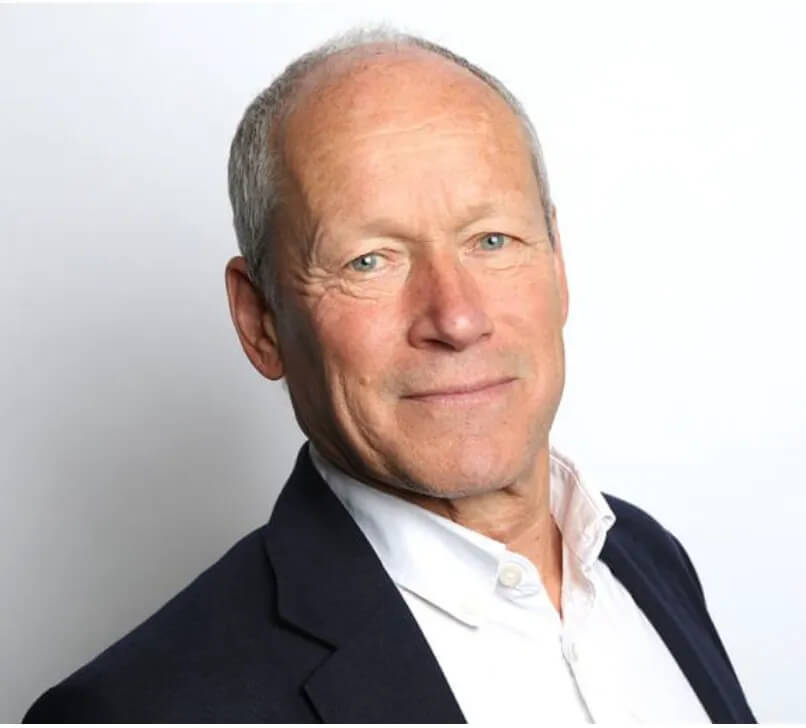
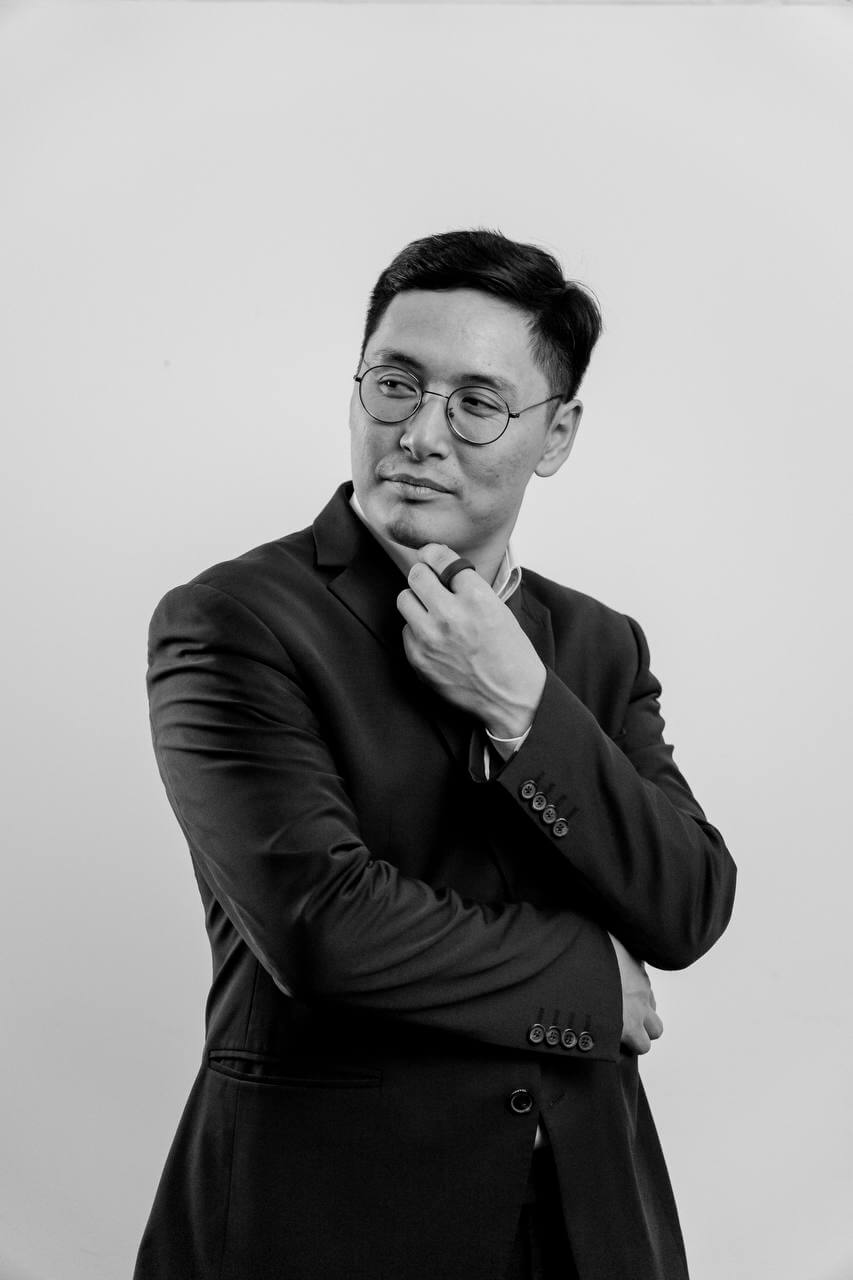
14:45-15:00 Keynote by John Newbegin
15:00-16:00 Panel 1: The Invisible Infrastructure of Creative Cities This panel explores how interdisciplinary projects become key growth points for tourism, the night economy, local businesses and startups, as well as broader creative ecosystems — and how together they form a new type of urban infrastructure. This infrastructure is built not from roads and buildings, but from communities of people, institutions, shared spaces, and collaborative processes that circulate ideas, resources, and talent across the city. Speakers will discuss the role of intermediaries and institutional cooperation, the importance of horizontal connections and collaborative work, as well as ways to build trust and cooperation between culture, business, government, education, and civil society.
16:00-17:00 Panel 2: Speaking the Language of Values — Investment, Impact, and Long-Term Project Sustainability Creative projects must be able to communicate their value not only through cultural significance. This discussion focuses on how to define and measure the impact of creative industries on urban environments, how to engage investors and sponsors around shared values rather than profit alone, and how to create projects that are both economically sustainable and beneficial for cities. Participants will discuss approaches and language needed to turn creative vision into scalable, investment-attractive urban change.
17:00-18:00 Panel 3: Gen-Next Cities — Who is Shaping Our Future? This discussion focuses on the new generation of creators growing up in a digital environment, and how their values, expectations, and ways of working are changing creative production, labor, and everyday urban life. We will explore how knowledge, resources, and lifestyles flow across disciplines, sectors, and national borders. Speakers will discuss the skills and professions required for creative urban living, the role of education systems in preparing the next generation of tech-savvy change agents, and how cities can support lifelong learning and reskilling to retain young creators, technologists, and creative professionals in the era of automation.
18:00-18:30 Closing Remarks & Summary

Delegates

Partners

Fan-zone Open seating